
Everything you need to know about aircraft Cockpit
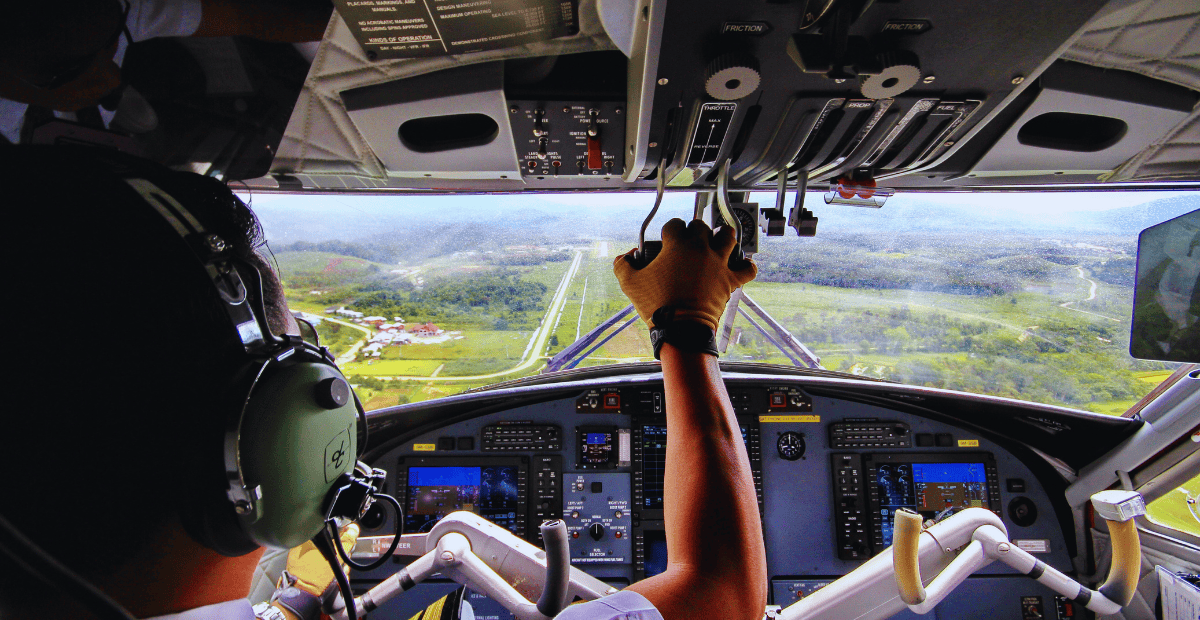
We all have had curiosity about what really happens behind the aircraft cockpit closed during our flight. Let’s be honest with you and I along with every traveler have had a curiosity, what do the pilots do inside the cockpit of the plane while we click pictures from the window, receive food from the attendants and watch movies
-
 Information
-
 13 Apr, 2026
-
 7 mins read
-
 661 Views
-
 0 Comments
This blog, “Everything you need to know about aircraft cockpit”, is written to exactly answer the same question and queries you have had since your first or your childhood.
What Is an Aircraft Cockpit?
An aircraft cockpit is the control cabin or the control center of an airplane where pilots manage all the plane operations starting from departure to landing on the runway. Every display, switch, and dial inside space serves a specific purpose, and nothing is placed there by accident.
Older airplanes employed analog gauges full of physical needles and dials to relay flight data. Modern aircraft now feature advanced mechanisms called glass cockpit. Modern cockpits replace the dials with large digital screens and display all critical information in one clear view. The shift has made cockpits faster to read, easier to manage, and highly reliable.
The cockpit is the main backbone of modern cockpit systems that’s designed to keep every flight safe, on route, and on time. This is the cabin where decisions are made, conditions are monitored, and the entire journey is guided from above the clouds.
Key Instruments Inside the Cockpit (Explained Simply)
You do not need to be a pilot to understand what the instruments inside a cockpit do and perform. Explained in brief is the most important instrument inside the cockpit.
1. Altitude Indicator: How High Are We?
The altitude indicator measures how high the aircraft is flying above sea level. Pilots rely on its reading to stay inside designated flight corridors and to avoid any terrain which might come in aircraft’s path. Cruising altitude on most commercial flights sits between 30,000 and 38,000 feet, and the altimeter makes sure aircraft stays exactly on designated spot.
2. Airspeed Indicator: How Fast Are We Going?
The airspeed indicator shows how fast the aircraft is moving against the air surrounding it. Its reading is especially critical during takeoff and landing because it’s the period when flying too slow or too fast can affect the lift and control of an aeroplane. Hence, pilots check it constantly during these phases to keep the plane within a safe speed.
3. Navigation Systems: Where Are We Going?
Modern cockpits use a combination of GPS and flight management system (FMS) to keep track of aircraft’s exact position and to guide it on pre-planned routes. FMS computes fuel usage, adapts for wind-speed, and helps pilots follow the most efficient path across continents. The aircraft navigation system works in the background to help planes make every turn and altitude change with precision.
4. Communication Systems: Talking to the Ground
Pilots use onboard radios to stay in constant contact with air traffic control (ATC). ATC monitors the skies and tell pilots when to climb, descend, turn, or hold position. The constant communication with ATC ensures aircraft maintain safe distances from one another throughout their flights, even when hundreds of planes are in the same airspace.
Who Sits in the Cockpit? Roles Explained
Every commercial flight carries two fully qualified pilots in the cockpit and their roles differ slightly. But both are trained to fly the aircraft independently at any time.
1. Captain (Pilot-in-Command)
The captain holds the highest level of authority in a flight cabin. Captains are responsible for the safety of everyone in flight and take final decisions, especially in emergencies. The captain’s role needs thousands of hours of flying experience and regular training assessments to maintain their license.
2. First Officer (Co-Pilot)
The first officer, also known as the co-pilot, works closely with the captain and shares an equal flying workload on flight journeys. The first officer is fully capable of flying aeroplanes on their own and frequently takes control during various phases of the flight. The divided responsibility reduces fatigue and keeps the cockpit functioning at its best. It’s important to know both pilots are fully trained and have the ability of flying the plane alone. One is constantly monitoring while the other takes charge of controls to constantly maintain safety.
The Role of Automation in Modern Cockpits
One of the most interesting facts about modern aviation is the degree of flight handled by automated technology. The automated aircraft autopilot system takes over once the aircraft reaches cruising altitude and it can manage speed, heading, and altitude without constant manual input from the pilots.
Pilots typically fly the aircraft manually for only a few minutes during takeoff and landing. Automation handles most of the journey in between.
However, it does not mean pilots are resting. Cockpit automation frees pilots to focus on monitoring weather changes, fuel levels, cabin conditions, and any system alerts which may need attention. Pilots are always ready to take full manual control within seconds if the situation requires it. Automation is a tool which supports human judgment and not one that replaces it.
Why Cockpit Knowledge Reduces Flight Anxiety
Fear of flying often comes from not knowing what is happening around you. When you understand how the cockpit operates, that uncertainty starts to fade. Here is what every nervous flyer should know about flight safety facts:
- Aircraft are built with multiple backup systems for every critical function which means a single failure never puts the plane at risk.
- Two trained pilots are always monitoring flight conditions and watching for anything unusual before it can become a problem.
- Advanced technology cross-checks pilot inputs and reduces the chance of human error throughout the entire flight.
- Aviation is statistically the safest form of long-distance travel and strictest global standards applied to every aircraft in service.
Cockpit Safety Standards for Flights from Nepal and Asia
For travelers booking flights from Kathmandu and across the Asian region, it is worth knowing that the cockpit standards on your flight are the same ones used everywhere in the world. Nepal airlines cockpit safety follows international regulations set by bodies like ICAO, which apply to every airline operating in the country.
Flights departing Tribhuvan International Airport to international destinations in Asia, the Middle East, and beyond use aircraft equipped with the same modern glass cockpit systems found on flights anywhere else in the world. Asia aviation safety standards continue to improve every year, with airlines in the entire region upgrading their fleets & training programs to match global benchmarks.
Conclusion
The aircraft cockpit is where human skills and advanced technology come together to convert flying into one of the safest experiences in travel. From the altitude indicator keeping the plane at the right height to the autopilot managing thousands of miles of cruise, each component in the closed cockpit doors is working to get you to your destination safely.
Understanding what goes on behind the cockpit door takes away the mystery and replaces it with confidence. The next time you board a flight from Kathmandu or anywhere else, you will know that two trained professionals and a sophisticated system of checks are looking after every detail of your journey.
Ready to book your next flight? Visit FlightsNepal.com and find the best options for your trip with Nepali and international airlines that meet the highest global standards.
Frequently Asked Questions About the Aircraft Cockpit
What does a cockpit look like?
A cockpit has large digital screens, rows of switches and control panels, alongside flight instruments arranged to help pilots monitor everything immediately. Modern glass cockpits look clean and organized, with important data mostly displayed on a handful of main screens.
Can passengers enter the cockpit?
No, cockpit access is completely restricted in the whole flight for safety and security reasons. This has been a strict global regulation well before modern aviation and is enforced on every commercial flight worldwide.
Do pilots fly the plane in the entire flight journey?
No, the autopilot system handles most of the flight after the aircraft reaches cruising altitude. Pilots monitor all systems closely throughout, and they take manual control during takeoff, landing, and any important changes during flight
Write a Comment
Some more Articles for you
- 04 Jun, 2026
- 5 min read
Nepal Visa on Arrival, Complete Guide for International Travelers
Nepal is emerging as a hot tourism destination globally, as the country is home to numerous trekking, mountaineering,…
Continue Reading...
- 30 Apr, 2026
- 7 min read
Best Time To Visit Nepal, Month by Month, Weather, Crowds, And Flight Prices
Nepal is a beautiful Himalayan destination with a vibrant culture, diverse landscape, and fullness of natural beauty. The…
Continue Reading...