
Emergency Exit Doors: Everything You Need to Know
Air travel has become a widely preferred form of travel in modern days due to its reliability, comfort, and safety. And as a part of flight safety, the aircraft’s emergency doors act as an important feature, which helps during emergencies
-
 Flights
-
 24 Feb, 2026
-
 5 mins read
-
 981 Views
-
 0 Comments
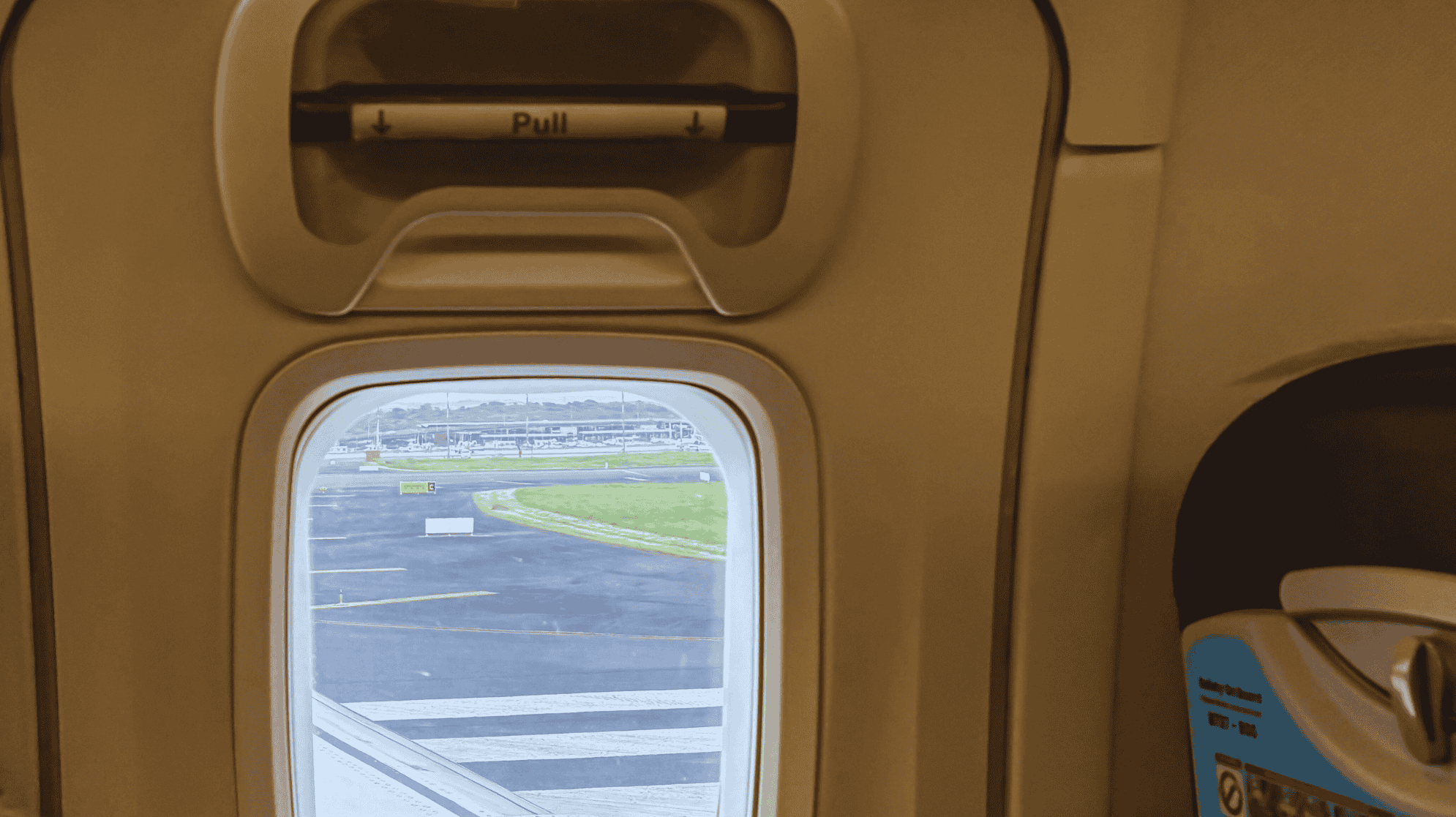
The emergency exit doors in aircraft are designed for escape during fire emergencies, crash landings, and any other failure in the aircraft. Many modern small or large aircraft equip multiple emergency exit doors placed in strategic locations to ensure practical and fast evacuations. In this blog, we explain what emergency exit doors are in aircraft, including their type, importance, and method to use them during an emergency. Whether you are travelling on domestic flights in Nepal or boarding international flights, knowing about emergency exit doors helps you to increase your flight safety awareness and confidence.
What Are Emergency Exit Doors on Aircraft?
Emergency exit doors on aircraft are doors placed in important locations in aircraft to ease rapid evacuation during emergency situations. These emergency doors are only opened during emergency situations when authorized by crew or during severe emergencies. The emergency doors are also equipped with escape slides that inflate automatically when opened.
The emergency exit doors are openable from both the internal and external sides, and unlike regular doors, they don’t open easily. Opening the doors requires specific force and requires techniques involving handling levers, which cabin crew instructs during every flight. The important thing to keep in mind is opening the emergency doors in non-emergencies leads to strict penalties and legal constraints.
Types of Emergency Exit Doors on Airplanes
As we mentioned above, there are numbers of emergency exit doors available on airplanes. Those emergency doors are classified into various types based on their size, location, and evacuation capacity.
Type I Emergency Exit Doors
The type I emergency exit doors are escape routes on the floor level of the aircraft. Aircraft with over 41 seating capacity are equipped with multiple type I emergency exit doors. The type I door is commonly used as an escape door during evacuation and for both the passenger boarding and deboarding processes.
Type II Emergency Exit Doors
Type II emergency exit doors are mostly equipped in medium-sized aircraft and come with automatically inflated evacuation slides upon deployment. This type of door is generally smaller than type I doors, but it still supports quick evacuation during emergencies.
Type III Emergency Exit (Over-Wing Exit)
Type III emergency exit doors are also called Over-wing exits, as they are placed over the wing of an aircraft. These exit doors are commonly found in narrow-body aircraft like the ATR-72, Boeing 737 and Airbus A320. These exit doors are mainly assisted or operated by passengers in case of emergency situations.
Type IV and Tailcone Exits
Type IV and tail cone exits are small exit doors equipped in smaller aircraft like the Beechcraft 1900C/D, Dornier Do 228, and others. The exit doors are mostly placed on the rear or tail side of the aircraft and are rated for aircraft with 9 passenger seats.
Why Emergency Exit Doors Are Important
Emergency exit doors are important whether in an aircraft, ship, or land vehicle. The emergency exit doors help in quick evacuation during emergency situations. The importance of emergency doors in an aircraft includes the following:
- Quick escape: The emergency evacuation doors help in quick evacuation and emptying the aircraft in case of emergency situations like crash landing, fire emergency, and other critical situations.
- Panic access: Emergency exit doors do not require a key or passcode to open. They can be opened by anyone in an emergency situation following proper technique, even during panic situations.
- Clear markings: Emergency exit doors are placed with clear markings and signs, which can be recognized and used by persons on the board during emergencies.
- Equips inflated slides: Doors or emergency exits in aircraft also equip inflated slides to support quick and safe escape from the aircraft in emergency situations.
Emergency Exit Row Seats: Rules and Responsibilities
Emergency exit row seats are mostly assigned to passengers who are physically and mentally able to assist the crew during emergency situations. The person or passenger sitting in the exit row seat carries additional responsibilities, including:
- Understand cabin crew instruction during safety briefing before takeoff
- Open or assist in opening emergency exit doors only during emergency cases.
- Guide another passenger to safely evacuate
Meanwhile, passengers with physical disabilities, children, and elderly passengers are not allowed in emergency exit row seats.
How to Open Emergency Exit Doors During Emergencies
Before knowing how to open emergency exit doors in aircraft, it is important to know that emergency exit doors are accessed only during emergencies. You can open emergency exit doors following the steps below:
- Following instruction by cabin crew
- Locating the exit handle and pulling or rotating the handle according to instruction. The door also includes pictures and guides to open the doors.
- Push the door outward and wait for deployment of the slide.
- Guide passenger for safe evacuation
It is important to consider opening the emergency exit doors during emergencies where the aircraft is not airborne. However, opening the door during flight is impossible due to cabin pressure; attempting to open it during flight can cause additional safety risks.
Conclusion
The emergency exit doors provide essential protection by providing a quick escape route for all passengers in an aircraft. They are designed with easy usability, visible signage, and operational features that emergency responders can access. Knowing their operation helps in safety and acting swiftly during emergencies. Giving attention to flight safety instruction helps to learn about emergency exit door location and usage technique and ensures further safety. For further information about flights, flight safety, or to book domestic and international flights in easy steps, visit Flights Nepal
Write a Comment
Some more Articles for you
- 12 Aug, 2026
- 5 min read
Sydney to Kathmandu Flight: Airlines, Prices, Transit & Travel Tips
Planning to travel from Australia to Nepal? A Sydney to Kathmandu flight is the most practical way to…
Continue Reading...
- 06 Aug, 2026
- 4 min read
Pokhara to Kathmandu Flight: Schedule, Ticket Price & Booking Guide
Travelling from Pokhara to Kathmandu via road takes 6 to 8 hours, depending on traffic and road conditions.…
Continue Reading...
- 30 Jul, 2026
- 5 min read
When to Book Dashain And Tihar 2026 Flights to Nepal (and Get the Cheapest Fares)
As the biggest festivals of Nepal, Dashain and Tihar, approach, Nepali people living abroad return to their homes…
Continue Reading...