
Air Traffic Control (ATC)
Flights, or air transportation, have become the key pillar for quick and safe commutes on an international and domestic scale. Flights are an important mode of transportation that helps thousands of passengers to reach their destination quickly and safely
-
 Airlines
-
 05 Feb, 2026
-
 4 mins read
-
 954 Views
-
 0 Comments
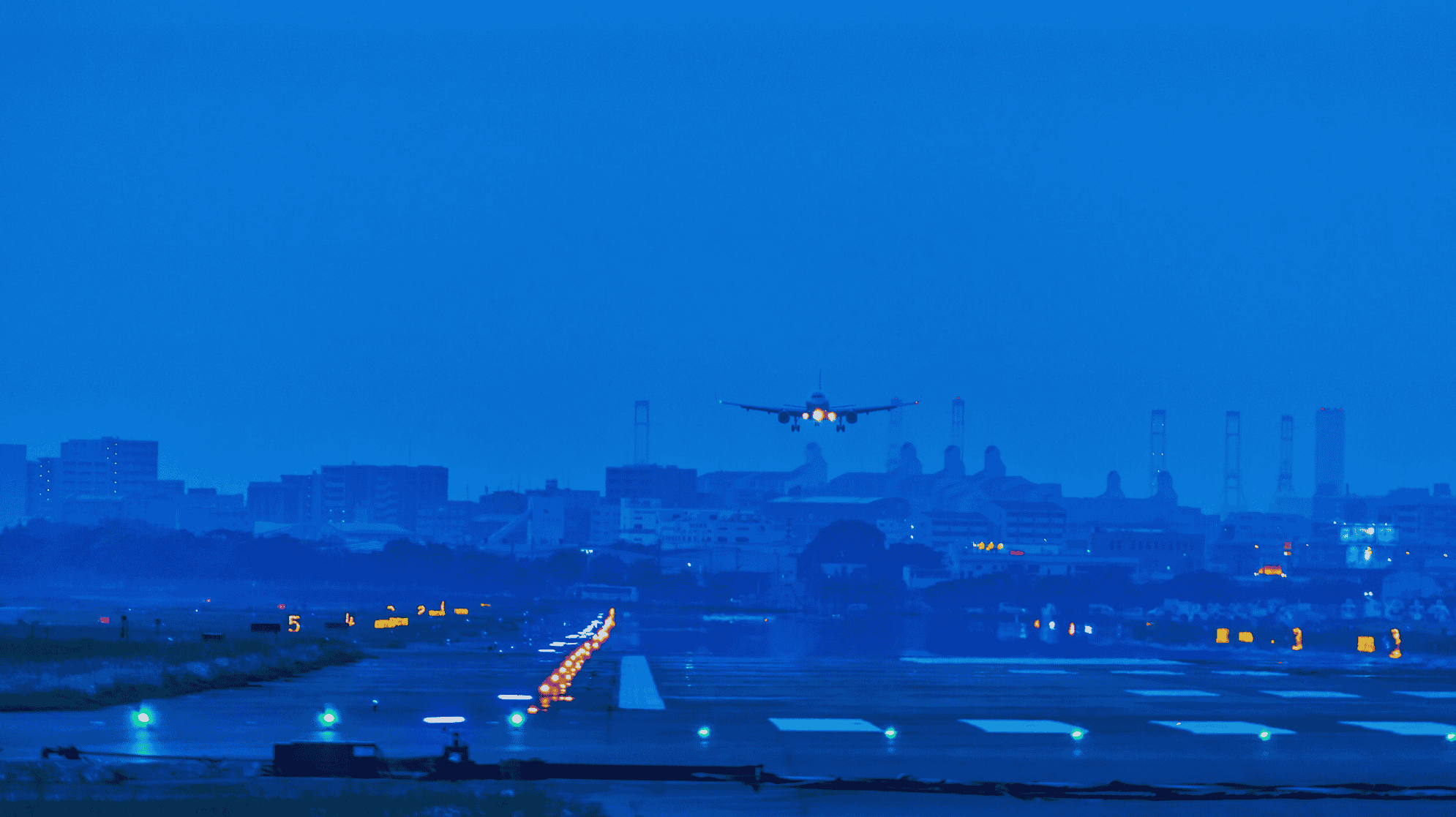
The Air Traffic Control (ATC) plays an important role in maintaining flight safety. ATC works to manage flights from takeoff and airborne flight management to landing and taxiway assistance. They are the backbone of flight management, as they work to keep flights and skies safe. In this blog, we provide you information about what Air Traffic Control (ATC) is, who controls it, and how it works to keep air travel safe.
What Is Air Traffic Control (ATC)?
Air Traffic Control (ATC) is an important aviation service where ground-based personnel assist and guide aircraft in the air, on the ground, or on runways. Air Traffic Control prevents aircraft from colliding by guiding them through navigation, managing air traffic, and updating pilots with weather and runway instructions.
ATC uses technologies like aircraft navigation systems, communication systems, surveillance technologies, and radar technology. They also maintain flights in order to keep aircraft at a safe distance. Overall, the role of ATC is important to make sure flight is safe and efficient.
Who Are Air Traffic Controllers?
Air Traffic Controllers are trained experts who are responsible for guiding and instructing aircraft to securely reach their destination. They are based on the ground in control towers located inside airports. They communicate constantly with pilots to exchange information and provide navigation guidance. Controllers continuously monitor aircraft’s positions, altitudes, and directions to ensure aviation safety.
How ATC Works
ATC works by using advanced technologies and procedures to manage and instruct flights from taxiways and takeoff to landing and parking phase.
Radar and Tracking Technology
Radar and tracking technologies are important to track the speed, position, and altitude of aircraft in real time. The ATC uses the technologies to communicate flight information and instructions with aircraft within its range.
Communication Systems
ATC constantly communicates with pilots using radio and other communication technologies. They communicate changes in flight plans, routes, and weather. Through the communication system, ATC clears pilots to land, take off, taxi, and go around during takeoff and landing approach.
Safety Nets
ATC uses safety nets that alert the person on duty regarding the possible altitude conflict, aircraft getting close, and possible emergencies. The safety net helps ATC to act and communicate with pilots in time to prevent errors and give the best possible advice in critical situations.
Key ATC Responsibilities That Ensure Safe Skies
The Air Traffic Control system and controllers are responsible for keeping the skies safe and secure. The key responsibilities of Air Traffic Control or a controller include:
Airspace Separation
Separate air space of particular flights to maintain safe vertical and horizontal distance. A separation of airspace helps in preventing aircraft collision, smoothing traffic management, and securing airspace.
Sequencing and Flow Management
ATC plays are responsible for managing air traffic flow by maintaining both arrival and departure of aircraft. They maintain flight sequence and enable smooth arrival and departure to minimize congestion and flight delays.
Weather Monitoring and Advice
As weather changes continuously, ATC monitors and updates live weather for pilots. They guide and provide assistance to plan route alternatives to avoid weather circumstances.
Ground Movement & Runway Safety
Air Traffic Control manages and guides aircraft from ground movement to takeoff. Once aircraft land at the airport, they also guide pilots to the taxiways until the plane comes to a stop.
Emergency Response
In situations where aircraft face technical issues and emergencies, ATC helps pilots by rerouting and arranging landing priority. They also alert emergency response units to be prepared during emergency situations.
Conclusion
Air Traffic Control plays an important role in flight safety and management and makes sure they are on schedule. They work in the background to keep the sky safe and efficient and guide pilots throughout the entire journey. ATC’s dedication and guidance in aviation help millions of travelers enjoy their flight journey and reach their destination. Ready to fly with confidence? Contact Flights Nepal today and book your next journey to an international or domestic destination while enjoying stress-free and safe travel
Write a Comment
Some more Articles for you
- 12 Jun, 2026
- 5 min read
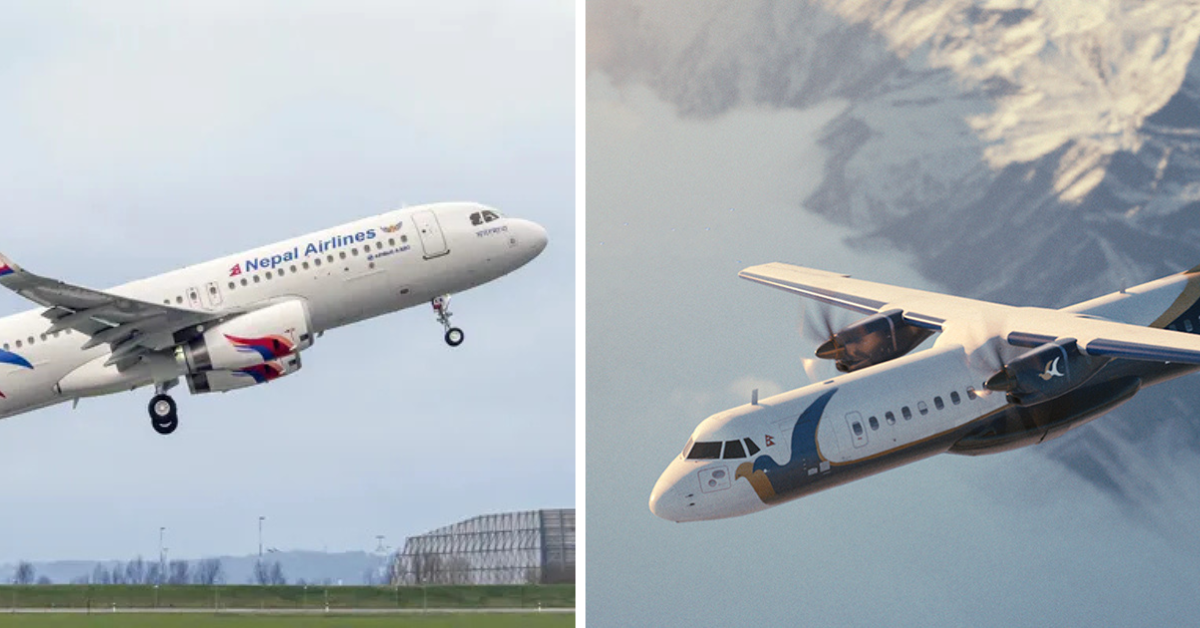
Buddha Air vs Nepal Airlines: Which Should You Book?
Air transportation, or flights, is the fastest, most comfortable, most secure, and most reliable mode of transportation to…
Continue Reading...
- 16 Feb, 2026
- 5 min read
Guide on International Air Transport Association
Air travel in present days is hassle-free with increasing consideration on worldwide safety measures, online ticketing facilities, and…
Continue Reading...
- 04 Dec, 2025
- 4 min read
Top Airlines in Nepal
Airways and airlines are the best options you can take as a traveler in international or domestic destination
Continue Reading...